Gregory Lab
Creating new species of ultrapolar molecules
We are an experimental group specialising in the study of ultracold gases of novel dipolar molecules. We are currently studying ultracold mixtures of silver (Ag) and rubidium (Rb) with the ultimate goal of creating a new species of ultrapolar molecule RbAg. This molecule is expected to exhibit an extremely large electric dipole moment of 9 Debye, which enables more strongly-interacting and long-lived samples than are available in other experiments.
We recently realised our first magneto-optical traps of Rb and Ag (see images below), and are now working on implementing sub-Doppler cooling of both species to load them into a common optical dipole trap in the next step towards creating RbAg molecules.
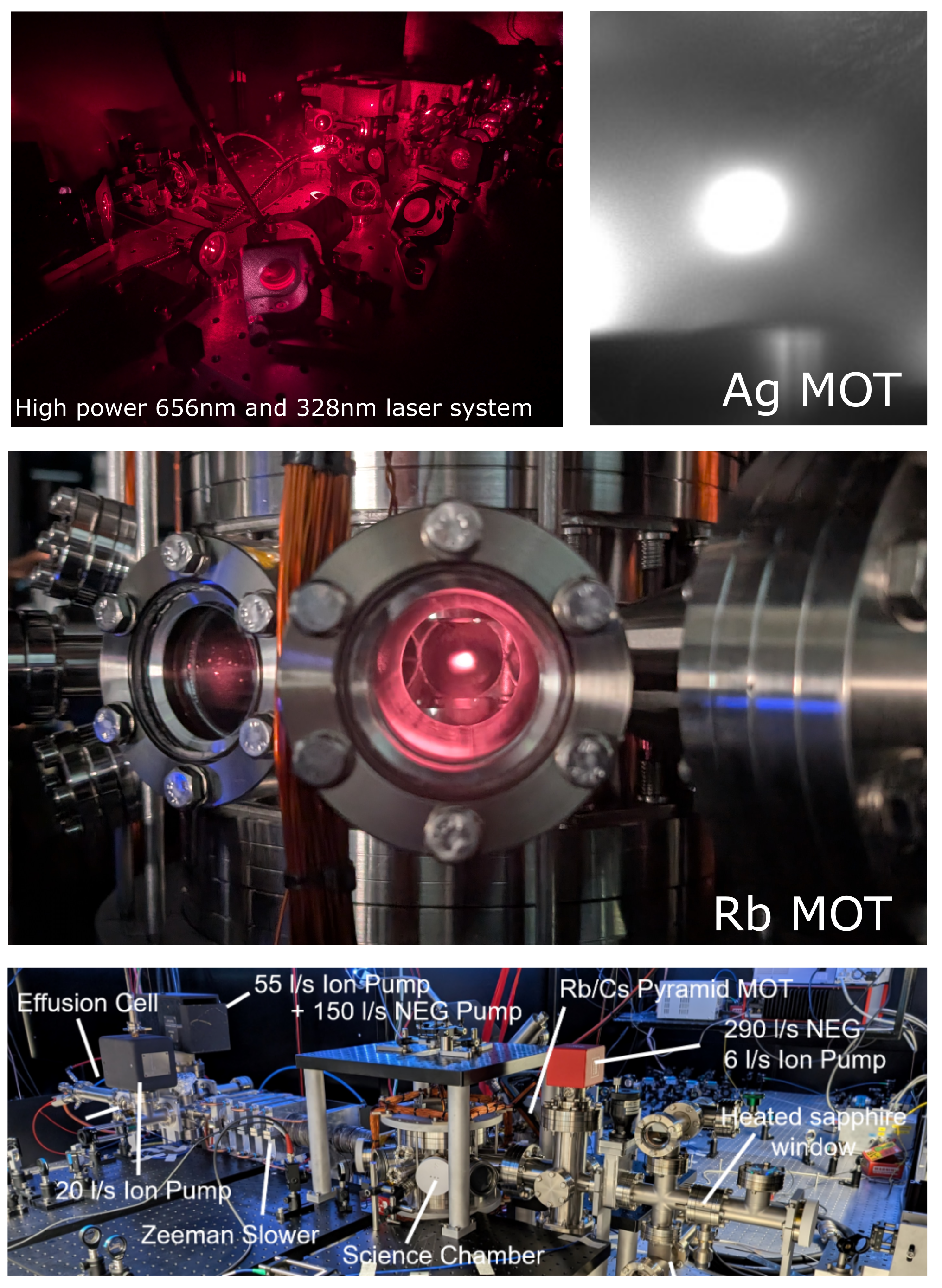
Most recent experimental preprint:
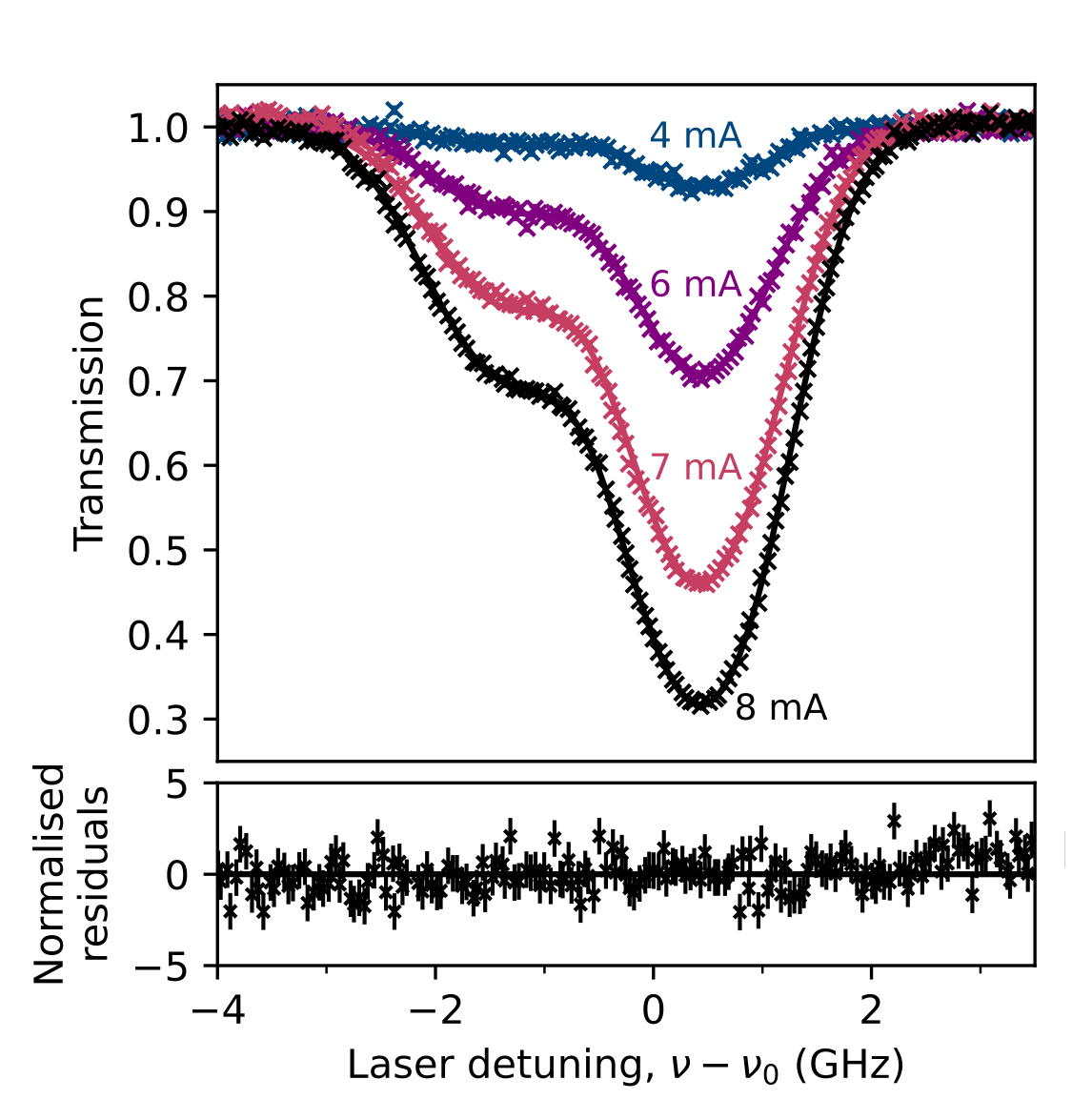
Quantified absorption of laser light by silver atoms in a hollow-cathode lamp.
Matthew P. Wilde, Richard G. Wolfendale, Mark Bengyel, Ifan G. Hughes, and Philip D. Gregory.
arXiv:2608.27700 (2026).
Our team:
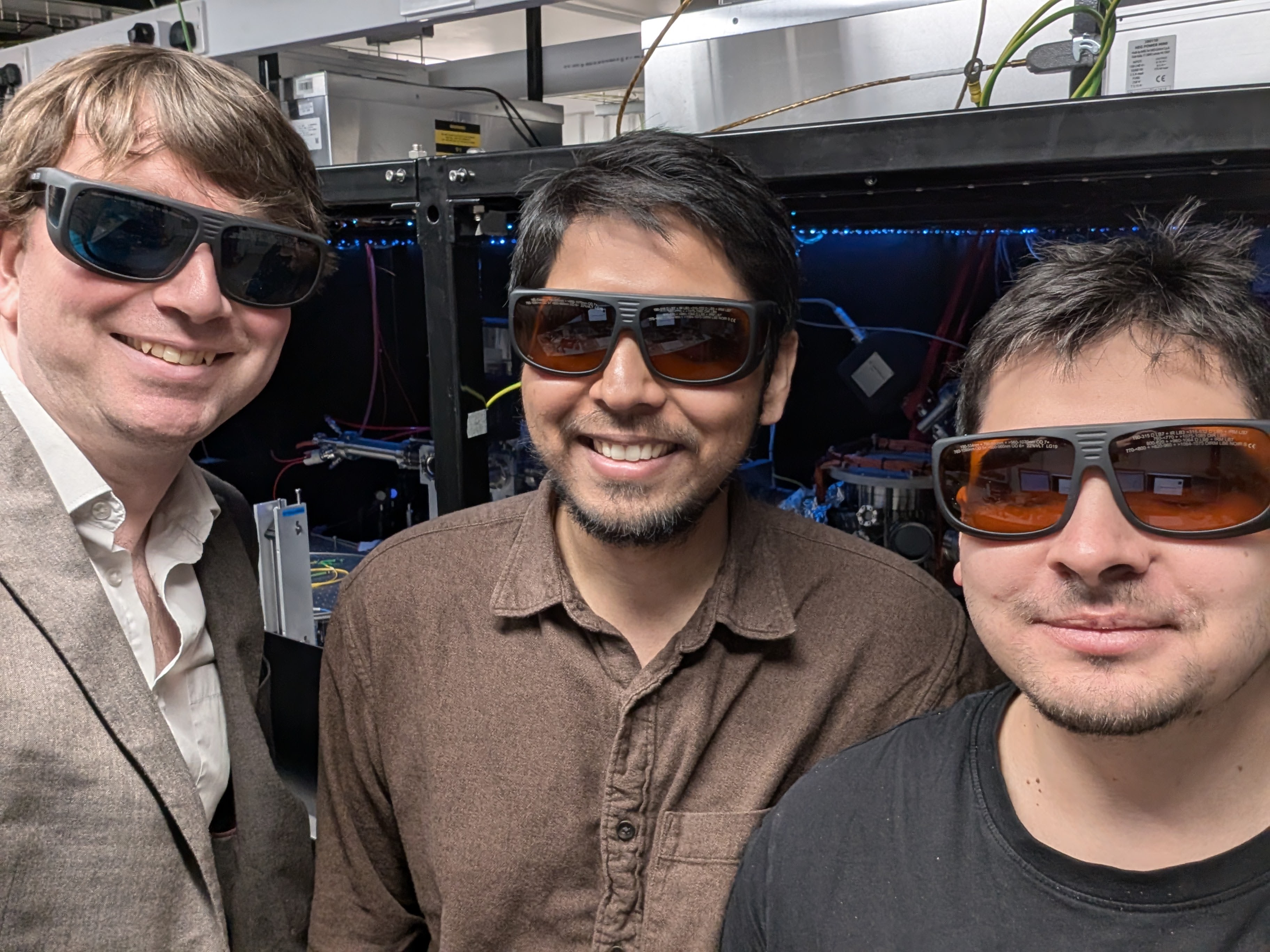

Philip Gregory (project lead) is a Royal Society university research fellow specialising in the study of ultracold gases of dipolar molecules. During my PhD and PDRA I worked with Prof. Simon Cornish to develop our experiments with ultracold RbCs molecules. In addition to my independent work on the RbAg project, I also co-supervise the ongoing RbCs bulk gas and microscope experiments, and the NaCs BEC experiment at Durham.
An up-to-date list of my publications can be found on Google Scholar.
To learn more about our work, or if you are interested in joining our group, please contact me at p.d.gregory@durham.ac.uk
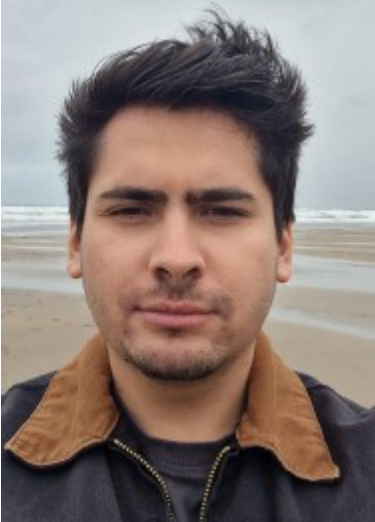
Mark Bengyel, PhD student.
Funded by an EPSRC Quantum Technologies studentship.

Anuprava Bokshi, PhD student.
Studentship funded by the Royal Society and Durham University.