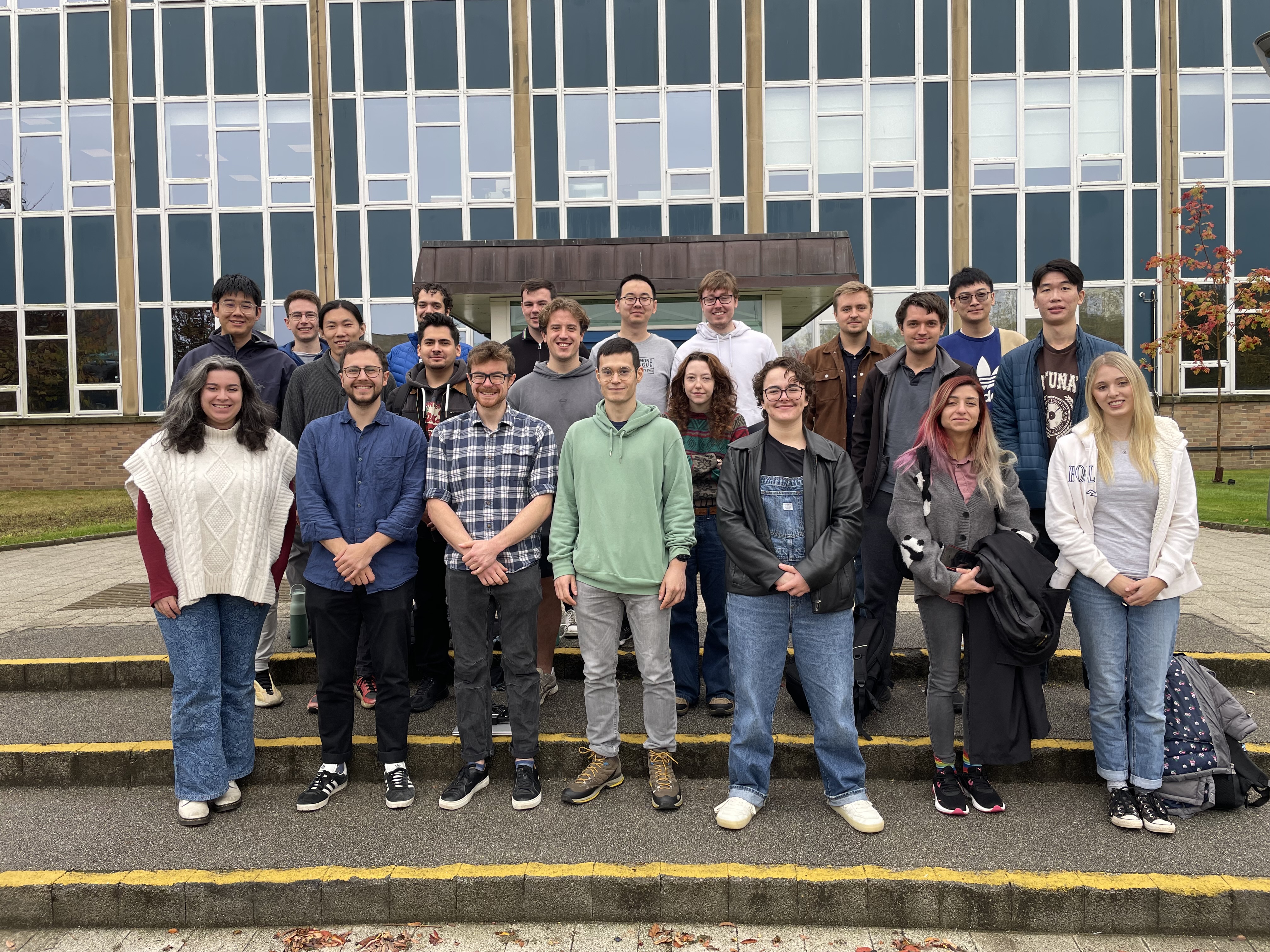
 Current PhD students in the QLM group
Below is currently our list of projects available for an October 2027 start (listed below). If you are interested in these projects please contact the relevant supervisor directly.
The quantum light & matter group will be holding a postgraduate open day on the 25th November 2026. If you would like to attend, or for more information, please contact Dr. Philip Gregory (QLM postgraduate admissions tutor) .
There are different mechanisms for funding a PhD, most common are:
Funded (the source of funding is already attached to the project).
Competition funded (the project is in competition for funding with other projects).
External scholarships (the student is in competition for funding, a list of scholarships can be found here).
If you join a project through any of these routes your university fees will be covered, and you will receive a tax-free stipend of £20,780 per year. Information regarding the application process can be found here.
Funded projects:
Competition funded projects:
It is also possible to self-fund your studies. Details of university fees for self-funded students can be found here.
We hope that you will join us and become a part of the QLM!
Ultracold molecules for quantum technologiesUltracold molecules offer unique opportunities for quantum computing, quantum sensing and quantum simulation. Their many internal levels can store quantum information coherently for long times, and their interactions can be tuned to realize quantum gates with exceptionally low fundamental error rates. Furthermore, their rich internal structure naturally has many degrees of freedom which encode quantum information. Furthermore, ultracold molecules in optical tweezers can naturally be interfaced with Rydberg atoms, one of the leading platforms for quantum information processing. These features can be used to realize programmable quantum many-body dynamics. However, their quantum many-body dynamics beyond two-level systems has so far remained largely unexplored and theoretical progress is needed to use their rich internal structure. In this numerical theory project, you will investigate the many-body multi-level quantum dynamics of ultracold molecules and explore how to generate exotic quantum states with applications in quantum simulation and quantum error correction. You will develop theoretical models to efficiently describe molecular many-body dynamics, leading to new control techniques of their multi-level structure. You will develop state-of-the-art numerical simulations to compute the quantum many-body dynamics of ultra cold molecules, and identify regimes where we can generate useful entanglement. These theory work will be cross-fertilized by local experimental efforts, which may inspire insightful collaborations. 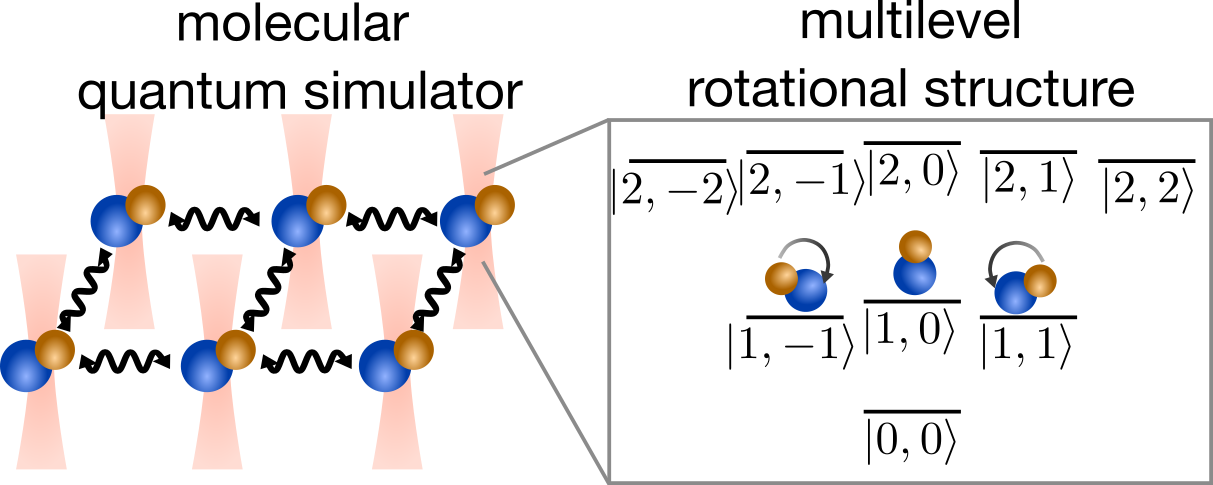 For more information about the project, please contact Dr. David Wellnitz. Back to table |
High sensitivity DC electric field sensing using Rydberg EITRydberg atoms are highly excited atoms with extreme properties. This project will use thermal Rydberg atoms to measure static electric fields in the mV/cm range. Rydberg electromagnetically induced transparency (EIT), pioneered at Durham, offers MHz-level spectral resolution of Rydberg states and enables detection of small fields via Stark shifts due to the high polarizability of Rydberg states (∝ n⁷). In this 3.5-year project, we will develop vapour cells that allow DC field access, overcoming screening in conventional cells. Next, we’ll implement Doppler-free EIT schemes to enhance spectral resolution to ~200 kHz, boosting sensitivity by an order of magnitude. We will also investigate using atomic states with high orbital angular momentum. Finally, we’ll apply these methods to identify and localise charge states of components behind barriers and assess the commercial viability of the technique in combination with industrial partners. 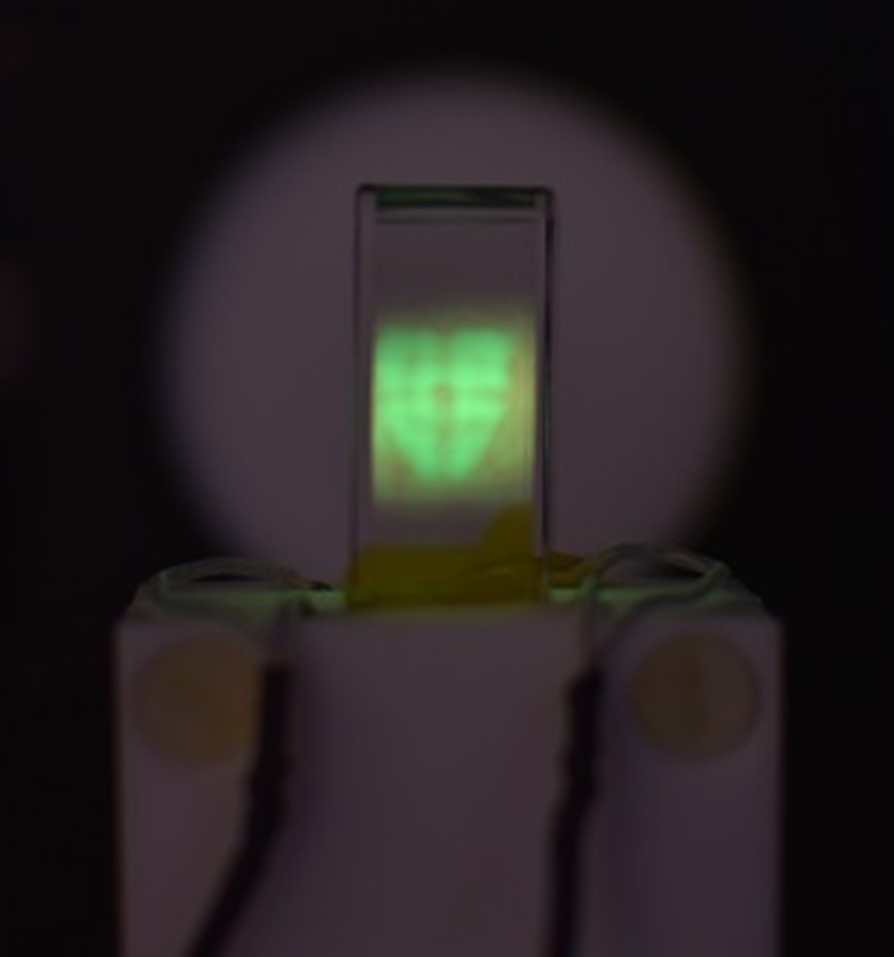 The project is funded by the UK Quantum Centre for Nuclear Defence and Security and is open to UK 'home-fees' students only. For more information about the project, please see here. For any questions about the position, please contact Prof. Kevin Weatherill. Back to table |
Quantum computing with atoms and molecules in optical tweezersNeutral atoms and molecules prepared in optical tweezers offer many exciting opportunities for quantum computing and quantum simulation. Most experiments work with either atoms or molecules. However, in this project, you will utilise both species to develop a new hybrid approach to quantum computing that leverages the individual benefits of atoms and molecules. Using an established world-leading optical tweezer apparatus, you will construct an array of strongly interacting molecules and Rydberg atoms. You will learn how to engineer strong dipole-dipole interactions between individual atoms and molecules and then harness this interaction to perform non-destructive detection and state-sensitive readout of the molecule. This novel detection protocol will allow you to rearrange the molecules to form defect-free arrays, unlocking the many advantages of molecules for quantum computing and quantum simulation that stem from their rich internal structure. Finally, you will explore methods to mediate interactions between the molecules using Rydberg atoms, exploiting this new capability to engineer quantum entanglement of molecular qubits. You will join a team of researchers working on our established Rb-Cs dual-species optical tweezer experiment in Durham and will be trained in the state-of-the-art experimental techniques in laser-cooling, single-atom trapping and quantum physics. The project is part of a national programme on “Quantum many-body physics with ultracold polar molecules” funded by UKRI, presenting numerous opportunities to collaborate with other researchers in the UK and to engage with several international theory partners. 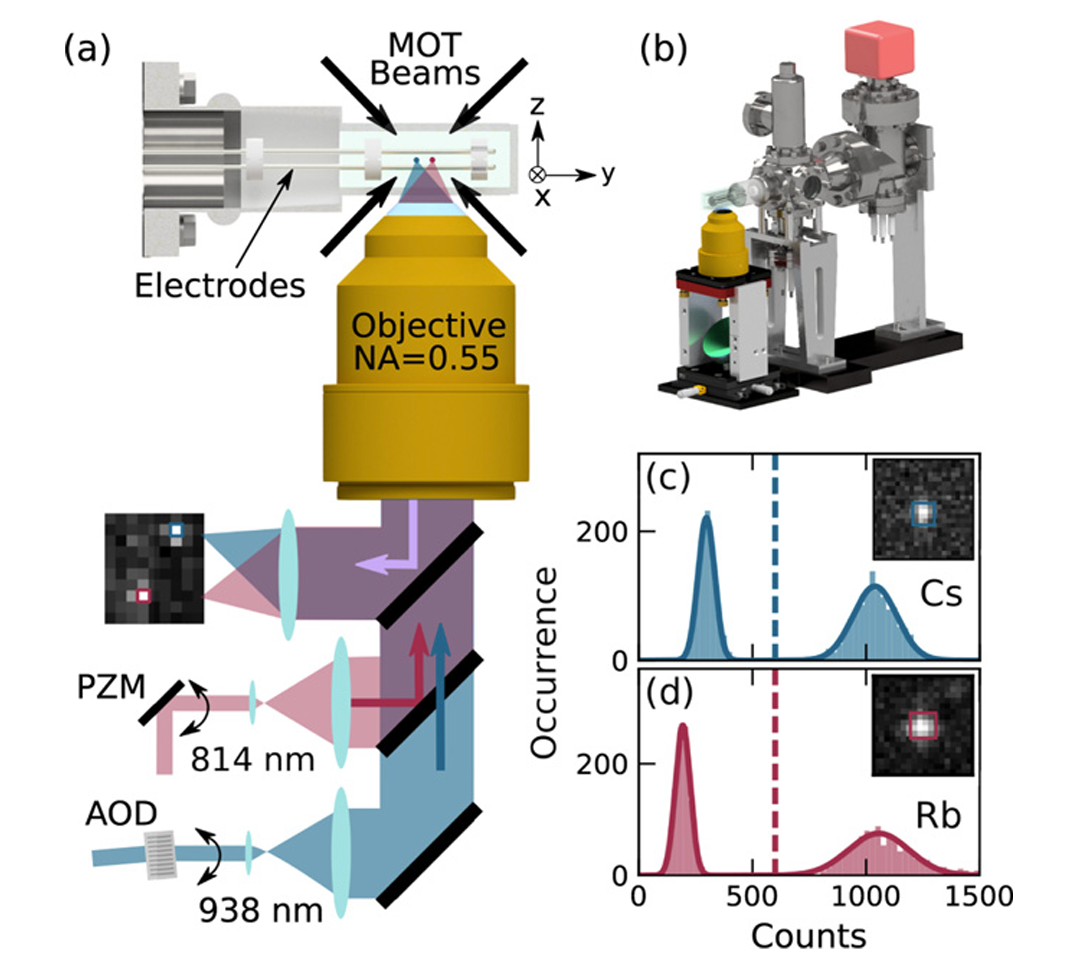 For further details about the existing tweezer apparatus see cornishlabs.uk/tweezers. For any questions about the position, please contact Prof. Simon Cornish and Dr. David Wellnitz. Back to table |
CAPER-EW: Characterisation and performance enhancement of Rydberg atom quantum receivers for electronic warfare and electromagnetic surveillanceProject description TBC. This project is supported by a EPSRC Industrial Doctoral Landscape Award (IDLA) in partnership with Thales UK and it funding for the studentship is already confirmed. For any questions about the position, please contact Prof. Kevin Weatherill. Back to table |
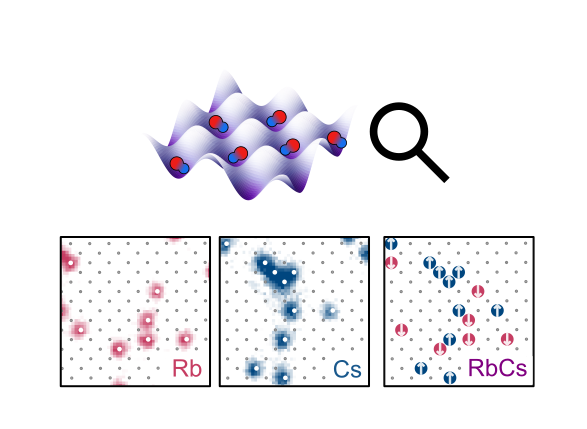
Probing quantum spin dynamics using a microscope
|
Visualizing strongly-focused 3D light fields in an atomic vapour.Strongly focused structured light generates highly confined vectorial electromagnetic field distributions, which may feature a polarization component along the optical axis. Despite statements found in some optics textbooks that light is a transverse wave, the real picture is more complicated. Axial components exist but manipulating and detecting such 3D light fields is challenging. Vector light can, however, be mapped onto atomic polarizations, making electric dipole transitions an ideal candidate to sense such 3D light configurations. In this project you will join a team that is internationally leading on experiments in the field of spectroscopy of atomic vapours. The project is in collaboration with Glasgow University that provide world-leading expertise on shaped and structured light. You will be trained in the state-of-the-art techniques of atomic and quantum physics, quantum optics and photonics, and the interaction of atoms with strong magnetic fields. 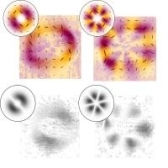 Back to table |
Quantum simulation with a lattice of moleculesCold, controlled molecules promise to provide a versatile platform for investigating quantum phenomena. In this project you will be joining an experimental team working on laser cooled calcium monofluoride molecules. The aim of the project will be to demonstrate quantum simulation of the Heisenberg Hamiltonian using molecules held in an optical lattice. This is a highly experimental project during which you will learn skills in laser and vacuum technology, build an understanding of molecular physics and contribute to the rapidly expanding field of molecular quantum technology. 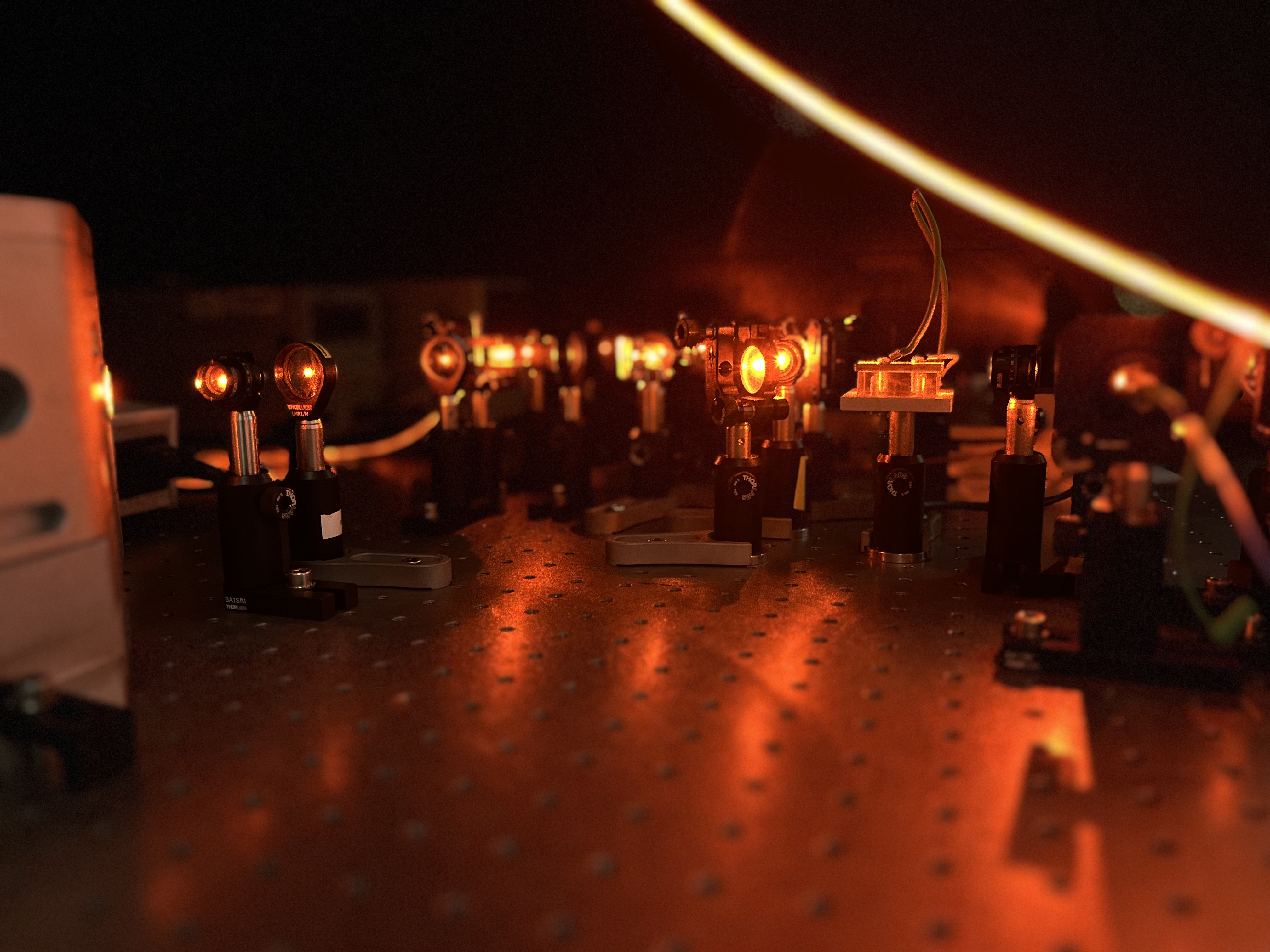 More information about the project can be found here. For any questions about the position, please contact Dr. Hannah Williams. Back to table |
AgX: Quantum simulation with ultrapolar moleculesIn this project we aim to create a new class of ultracold and ultrapolar molecule RbAg (rubidium-silver) that possess an extremely large molecule-frame of electric dipole moment of 9 Debye. Such a large dipole is highly advantageous for experiments as it enables the production of colder, denser, longer-lived samples with stronger, longer-range, and faster-acting interactions. We aim to prepare these molecules in their rovibronic ground state and cool them to quantum degeneracy. We will then apply these molecules to the study of complex and collective quantum many-body phenomena. We have recently successfully captured rubidium and silver atoms in a magneto-optical trap in our brand-new apparatus (1 of only 3 functioning silver magneto-optical traps in the world). We are currently implementing the next stage of our project which is to cool the atoms below the Doppler temeprature, and to load them into an optical dipole trap in order to study their collisional properties. As part of this project you will be trained in state-of-the-art techniques relevant to quantum science with ultracold atoms and molecules, such as laser cooling, optical trapping and the control of interatomic interactions. This project is affiliated with the QSMol programme grant which also gives many opportunities to collaborate and engage with a network of researchers both in the UK and internationally. 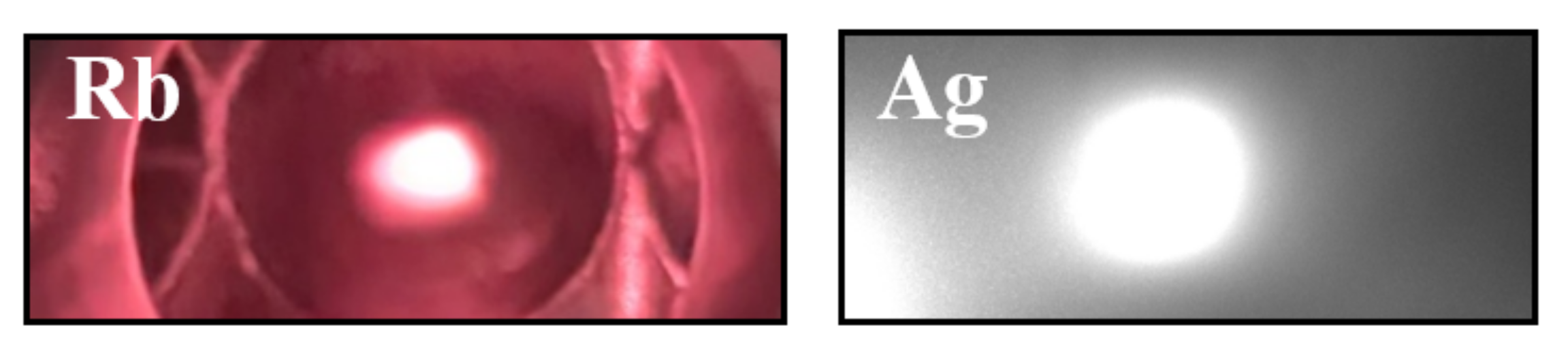 For any questions about the position, please contact Dr. Philip Gregory. Back to table |
THz spectroscopy of semiconductor Rydberg statesTerahertz radiation sits in between the realm of electronics (~GHz) and optics (~100 THZ), with applications that include non-destructive imaging of opaque materials, chemical sensing and medicine. Durham has pioneered the development of THz imaging detectors based on Rydberg atoms This PhD project will extend THz Rydberg devices into the solid state using the semiconductor cuprous oxide (Cu₂O). In this material, electrons and holes bind together to form excitons, atomic-like quasiparticles that interact strongly with both microwave and optical fields. THz-optical spectroscopy of excitons is currently unexplored. It offers the potential to significantly improve the performance of Cu₂O -based devices by providing fast coherent control of the exciton wavefunction. You will build on previous Durham work in microwave-optical spectroscopy in Cu₂O to open up the THz range in this new material. The project is highly experimental and will involve: - Building and operating cryogenic spectroscopy experiments at temperatures down to 300 mK. - Performing THz and optical measurements on semiconductor devices. - Developing and characterising THz sources and optics. - Operating room-temperature Rydberg THz devices for beam characterization - Presenting research at international conferences. You will gain expertise in quantum technologies, cryogenics, photonics, THz engineering and semiconductor physics. These highly sought-after skills are relevant to careers in both academia and the rapidly growing quantum technology sector. 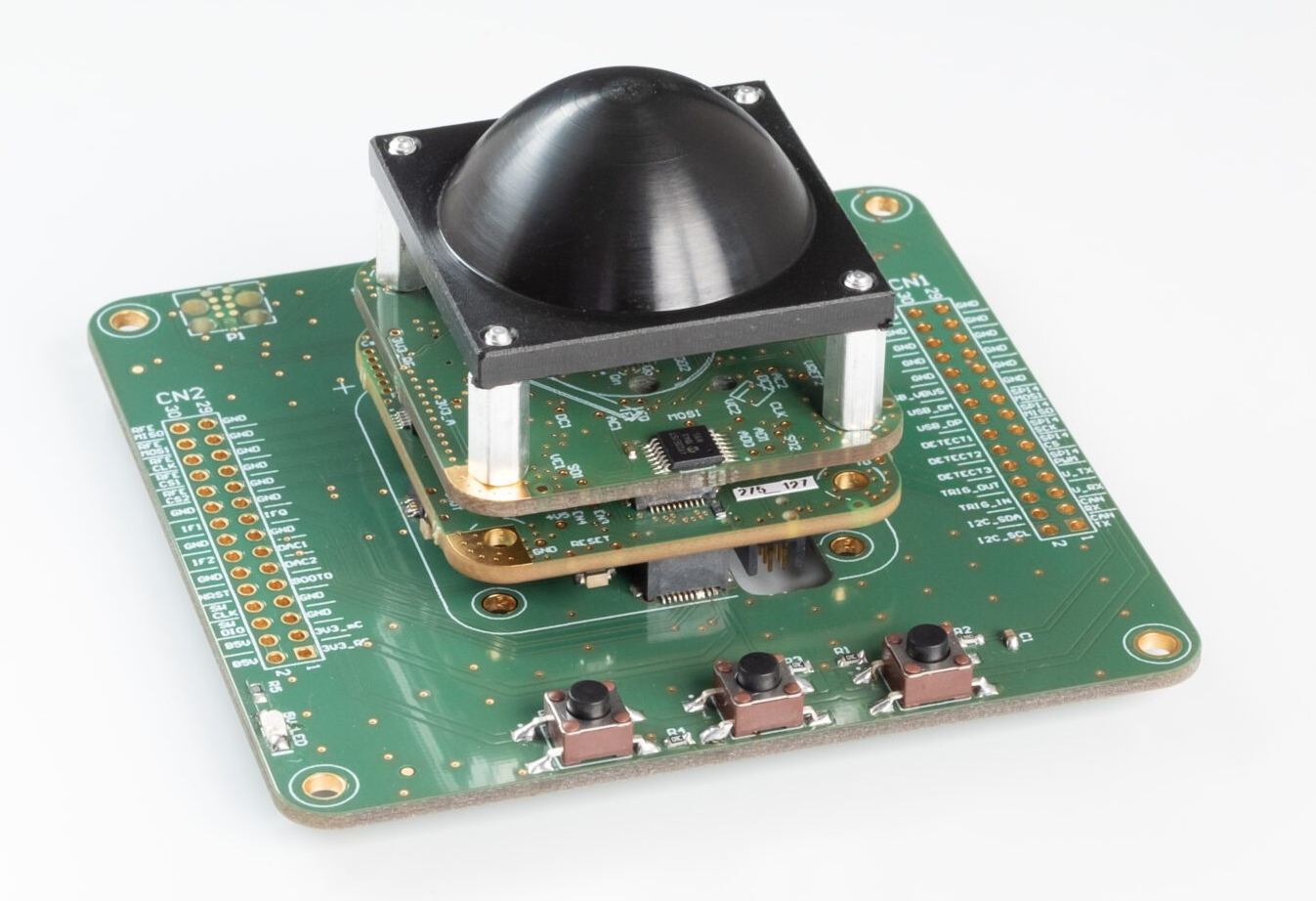 For any questions about the position, please contact Prof. Matthew Jones. Back to table |
Quantum light from thermal Rydberg vapoursProject description TBD. For any questions about the position, please contact Prof. Kevin Weatherill and Prof. Stuart Adams. Back to table |
DualQD: Dual-species tweezer arrays for next-generation quantum devicesLearning to control quantum systems opens the door to transformative discoveries, allowing us to explore entirely new capabilities in physics. While typically pursued in isolation, this project offers the fascinating prospect of combining two of the most exciting fields in modern physics—digital quantum computing and quantum sensing—within a single, flexible platform based on two species optical tweezer arrays. In this hands-on project, you will build a state-of-the-art optical tweezer array to assemble designer quantum systems atom by atom. By cooling caesium and ytterbium atoms to near absolute zero, you will leverage their unique optical transitions for independent control. In this dual-species architecture, one atomic species acts as data qubits in a quantum processor, while the other simultaneously serves as a quantum sensor. By combining two atomic species with very different properties, you will overcome the challenge of cross-talk. This enables you to perform quantum error correction using mid-circuit readout on one set of atoms without destroying the fragile quantum states of its neighbours. Exciting these atoms to highly energetic Rydberg states will allow you to engineer the strong interactions required to generate useful quantum entanglement, pushing quantum-enhanced sensors beyond classical limits. Throughout the project, you will gain hands-on expertise in ultra-high vacuum, laser cooling, and quantum state engineering. You will develop transferable practical skills that bridge fundamental quantum science with next-generation technological applications. Because this PhD uniquely bridges two major domains, you will directly benefit from our research group's collaborations with the National Quantum Computing Centre (NQCC) on next-generation error-correcting processors, a UK-Canadian collaboration focused on quantum-enhanced sensing, as well as other related research within the QLM group. 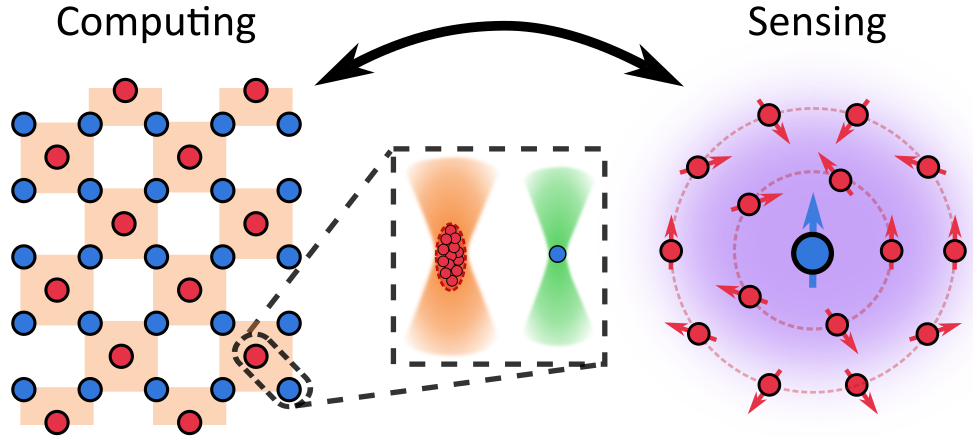 For any questions about the position, please contact Dr. Alex Guttridge. Back to table |
Bose-Einstein condensation of polar moleculesBose-Einstein condensates of ultracold polar molecules have very recently emerged as an exciting new form of quantum matter characterized by strong dipolar interactions. This opens up many possibilities for studying novel quantum fluids and for preparing defect free arrays of molecules in optical lattices. In this project, you will join a team of researchers building a new state-of-the-art experimental apparatus to produce and study molecular Bose-Einstein condensates. The apparatus will incorporate a high-resolution imaging system capable of detecting single molecules and single sites of an optical lattice, placing it at the forefront of an exciting field. You will be trained in the state-of-the-art experimental techniques in laser-cooling, optical trapping of ultracold gases, formation of molecules and modern quantum physics – skills that are highly transferable. The project is part of a national programme on “Quantum many-body physics with ultracold polar molecules” funded by UKRI, presenting numerous opportunities to collaborate with other researchers in the UK and to engage with several international theory partners. 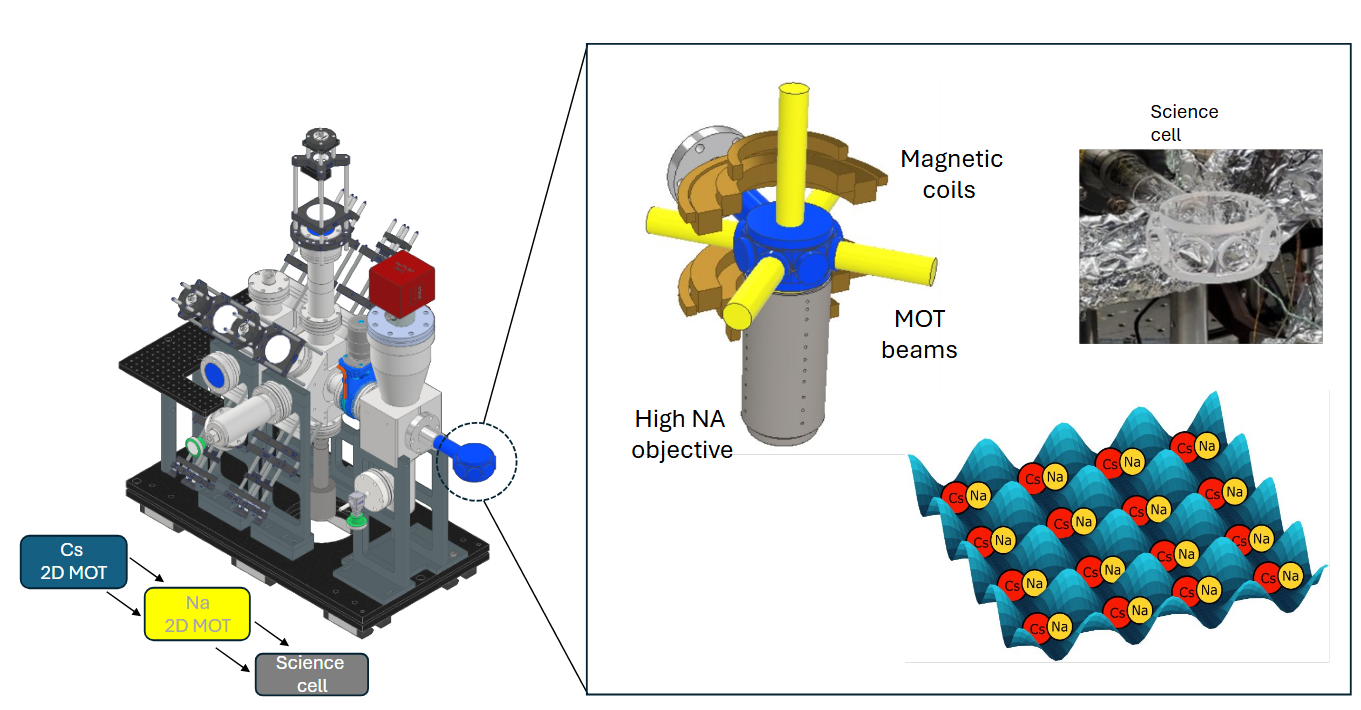 This project is supported by a UKRI Programme Grant. For any questions about the position, please contact Prof. Simon Cornish and Dr. Philip Gregory. Back to table |
Quantum optics using Rydberg quditsProject description: We perform experiments where photons are mapped into Rydberg excitations allowing strong photon-photon interactions. Recently we received new funding to specifically exploit our platform to develop algorithms based on Rydberg qudits. Using terahertz and microwave fields we can control the Rydberg state and hence the interaction between our qudits. Subsequently, the photons are read-out and detected using photon counters. The advantages of this platform are the combination of fast processing and read-out with access to a large Hilbert space. The student will work directly on the experiment as a part of a team involving up to two students, a post-doctoral research assistant, plus a co-investigator. The team is led by the Principal Investigator Prof. C. S. Adams. 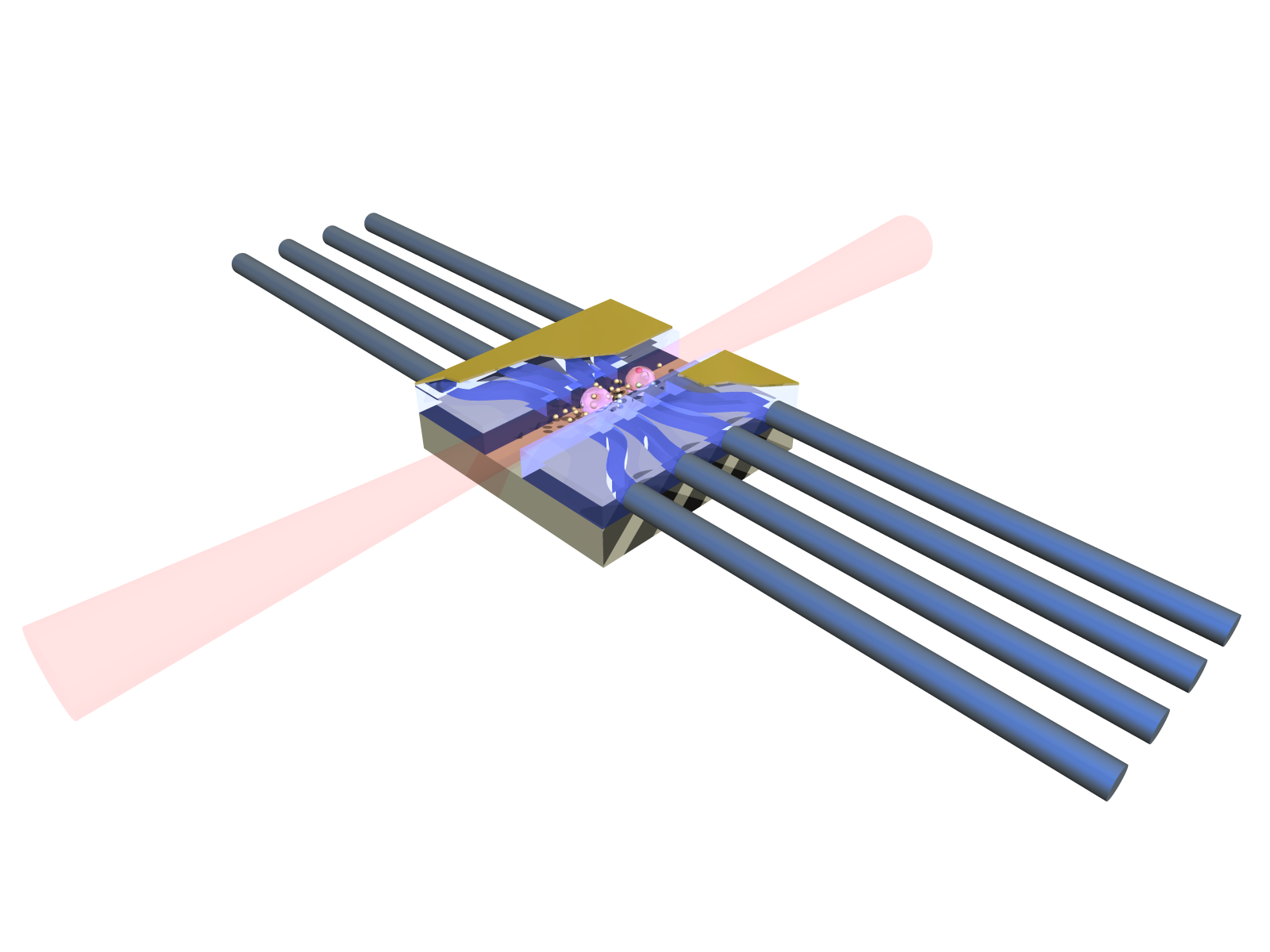 For any questions about the position, please contact Prof. Stuart Adams. Back to table |
Quantum networks using Rydberg excitonsQuantum computers based on superconducting circuits, including those developed by Google and IBM, store information in microwave signals at milliKelvin temperatures. While highly successful, these systems are difficult to connect over long distances. One promising solution is to convert microwave quantum signals into optical photons that can be transmitted through conventional fibre networks. This PhD project will develop a novel quantum transducer based on the semiconductor cuprous oxide (Cu₂O). In this material, electrons and holes bind together to form excitons, atomic-like quasiparticles that interact strongly with both microwave and optical fields. Researchers at Durham and Cardiff have pioneered microwave-optical coupling in cuprous oxide, and you will build on this work to explore the quantum limits of microwave-to-optical conversion and develop efficient, low-noise transducers. The project is highly experimental and will involve: - Building and operating cryogenic spectroscopy experiments at temperatures down to 300 mK. - Performing microwave and optical measurements on semiconductor devices. - Developing and characterising exciton-based quantum transducers. - Working closely with theory collaborators in the UK and internationally. - Presenting research at international conferences. You will gain expertise in quantum technologies, cryogenics, photonics, microwave engineering and semiconductor physics. These highly sought-after skills are relevant to careers in both academia and the rapidly growing quantum technology sector. 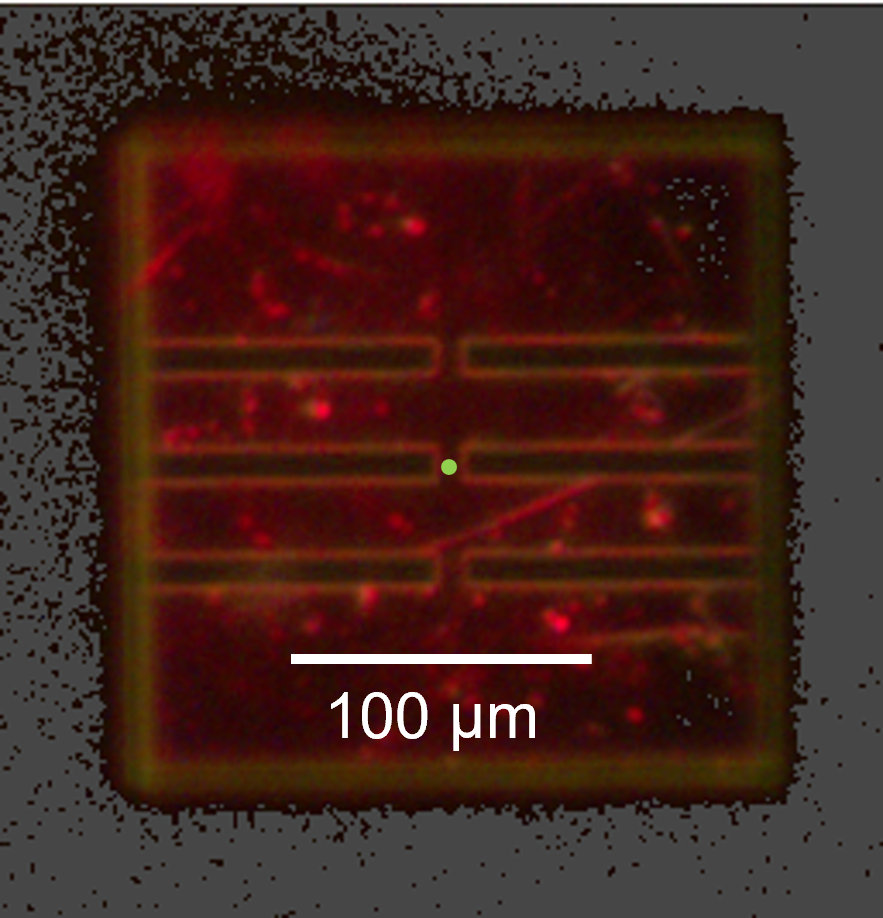 For any questions about the position, please contact Prof. Matthew Jones. Back to table |
Quantum optics with Rydberg exciton polaritonsRydberg states are highly excited atomic states with strong interactions, making them an exciting platform for quantum optics and quantum technologies. Rydberg excitons provide a solid-state alternative to atomic systems, combining the strong interactions of Rydberg states with the advantages of semiconductor materials and nanophotonic structures. In this project, you will investigate Rydberg excitons embedded in optical microcavities, where they can strongly couple to photons to form hybrid light-matter states known as polaritons. You will design and fabricate semiconductor devices in collaboration with researchers at the University of St Andrews and use advanced linear and nonlinear optical spectroscopy, including techniques such as second-harmonic generation (SHG), to investigate their optical properties and interactions. The ultimate aim of the project is to exploit the strong optical nonlinearities of Rydberg exciton polaritons to develop sources of nonclassical light, providing a new approach to quantum optical technologies. The project will provide training in transferable skills including semiconductor device fabrication, cryogenics, advanced optical spectroscopy and quantum optics. 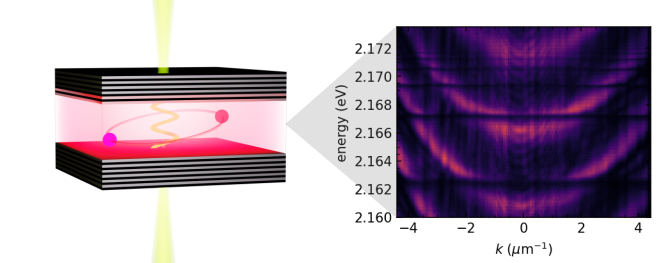 For any questions about the position, please contact Dr. Liam Gallagher. Back to table |
Atomic clocks, optical lattices and ultracold moleculesUltracold polar molecules offer a wide range of exciting research directions spanning ultracold chemistry, precision measurement, quantum simulation and quantum computation. Numerous applications stem from the long-range dipolar interactions and rich internal structure of vibration and rotation. Enormous progress has been made in assembling pairs of alkali atoms to form bialkali molecules – including by our group in Durham using Rb and Cs. However, there is a need to diversify the range of molecules available. In this project, you will join a team of PhD students and postdoctoral researchers working on an existing and unique state-of-the-art experiment designed to create ultracold CsYb molecules. By combining an alkali atom (Cs) with closed-shell atom (Yb) you will form a molecule that has both an electric dipole moment and a magnetic dipole moment. Your strategy will be to utilize the metastable clock states in Yb where our theoretical work predicts relatively broad collision resonances with Cs that can be used to form molecules. You will also use a magic wavelength optical lattice and learn how to prepare Cs-Yb atom pairs in this lattice. Converting the atom pairs into molecules will realise a new and exciting platform for quantum simulation of many-body physics. In the course of the project you will be trained in the key techniques underpinning modern applications in ultracold atoms and molecules in quantum science and technology, opening up a wide range of future career paths. 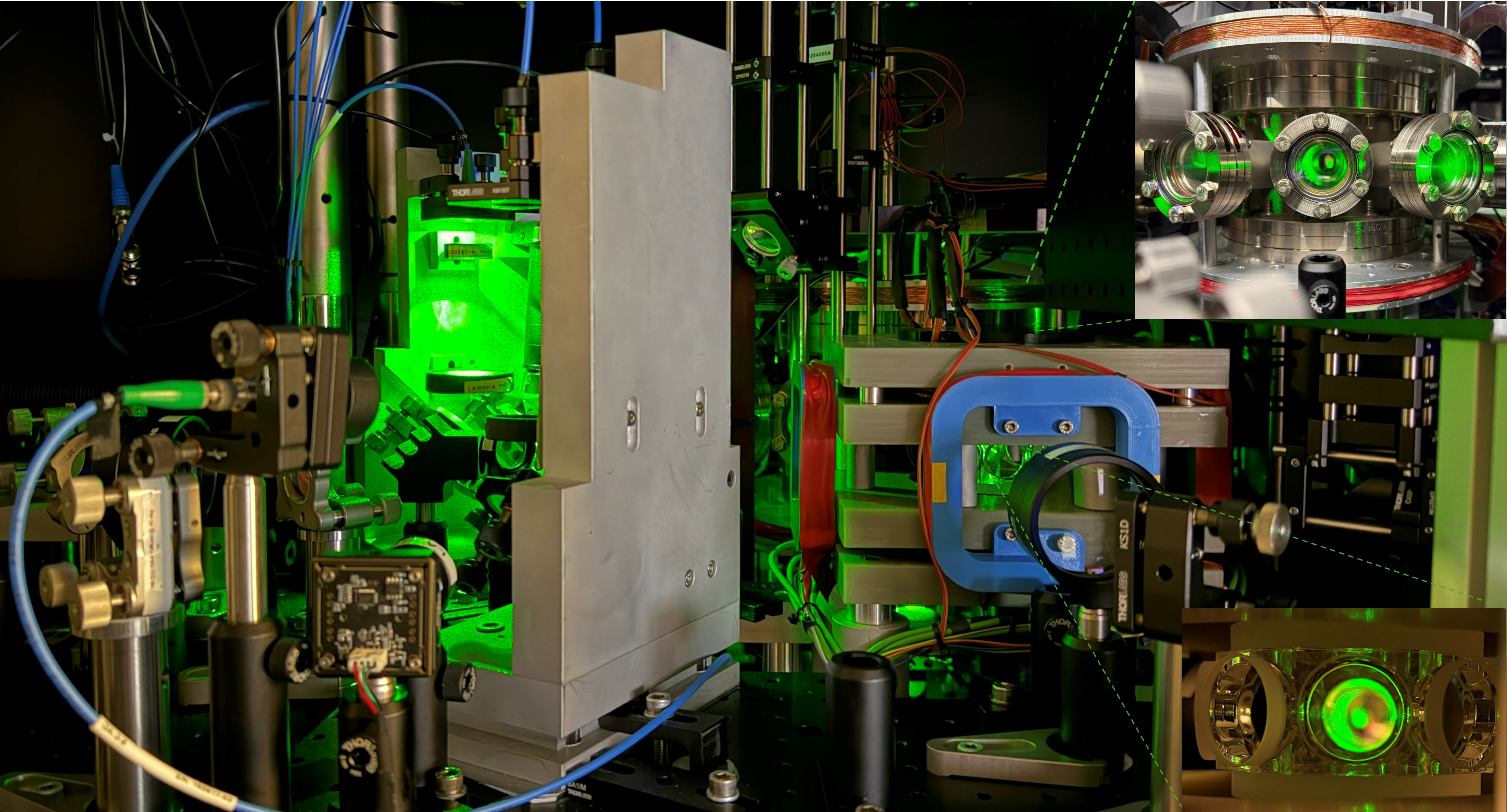 This project is supported by a UKRI research grant which provides links to world-leading theory collaborators both nationally and internationally. For further details about the existing Cs-Yb project see cornishlabs.uk/csyb. For any questions about the position, please contact Prof. Simon Cornish and Dr. Tobias Franzen. Back to table |
A terahertz spatial light modulator for off-axis tomographyProject description TBD. For any questions about the position, please contact Prof. Kevin Weatherill. Back to table |
Entangled quantum clocks and gravityModern optical atomic clocks, the most precise measurement devices ever built, now routinely resolving the gravitational redshift over mm-scale height differences. While the clocks can show quantum effects, so each clock is well localized in space, allowing quantum mechanics and general relativity to be treated separately. Recent advances in quantum networking open the door to the creation of single quantum systems extending over a kilometre or more -- and thus a significant difference in gravitational potential. This will give access to a regime where quantum mechanics and general relativity must be considered simultaneously. This is experimentally uncharted territory with many open questions: What is the proper time of a clock delocalized over a vertical kilometre? How do proper time differences influence entanglement? Building on our ongoing work with optical atomic clocks (durham-qlm.uk/research/rydberg/strontium/) and towards quantum networking with ytterbium atoms (durham-qlm.uk/research/tech/quantum-networking/) – a species ideally suited for combining quantum networking and clocks – our vision is to realise two quantum mechanically entangled clocks separated by more than a kilometre in height. The STFC facility Boulby Underground Laboratory would be ideal to host such experiments, with lab spaces situated 1.1 km below ground in a working mine (photo: STFC), connected to a surface building by an optical fibre link. You will work on a transportable quantum networking node already under development at Durham, generating entanglement between single atoms over standard telecom fibre and performing experiments with entangled clocks. The project will initially focus on lab-scale experiments combined with theoretical and numerical investigations of km-scale experiments. If we are successful in securing funding to conduct these experiments, you will also contribute to the construction and deployment of the underground node. This project combines hands-on experimental work on state-of-the-art neutral atom systems relevant to quantum computing, sensing and timing with fundamental physics. 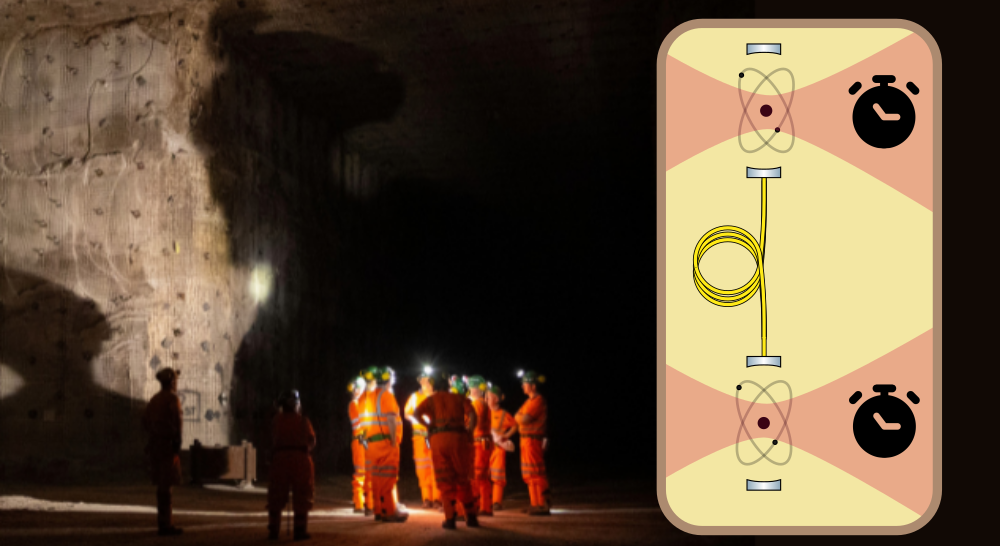 For any questions about the position, please contact Dr. Tobias Franzen and Prof. Matthew Jones. Back to table |